A Sky of Clarity and Wonder
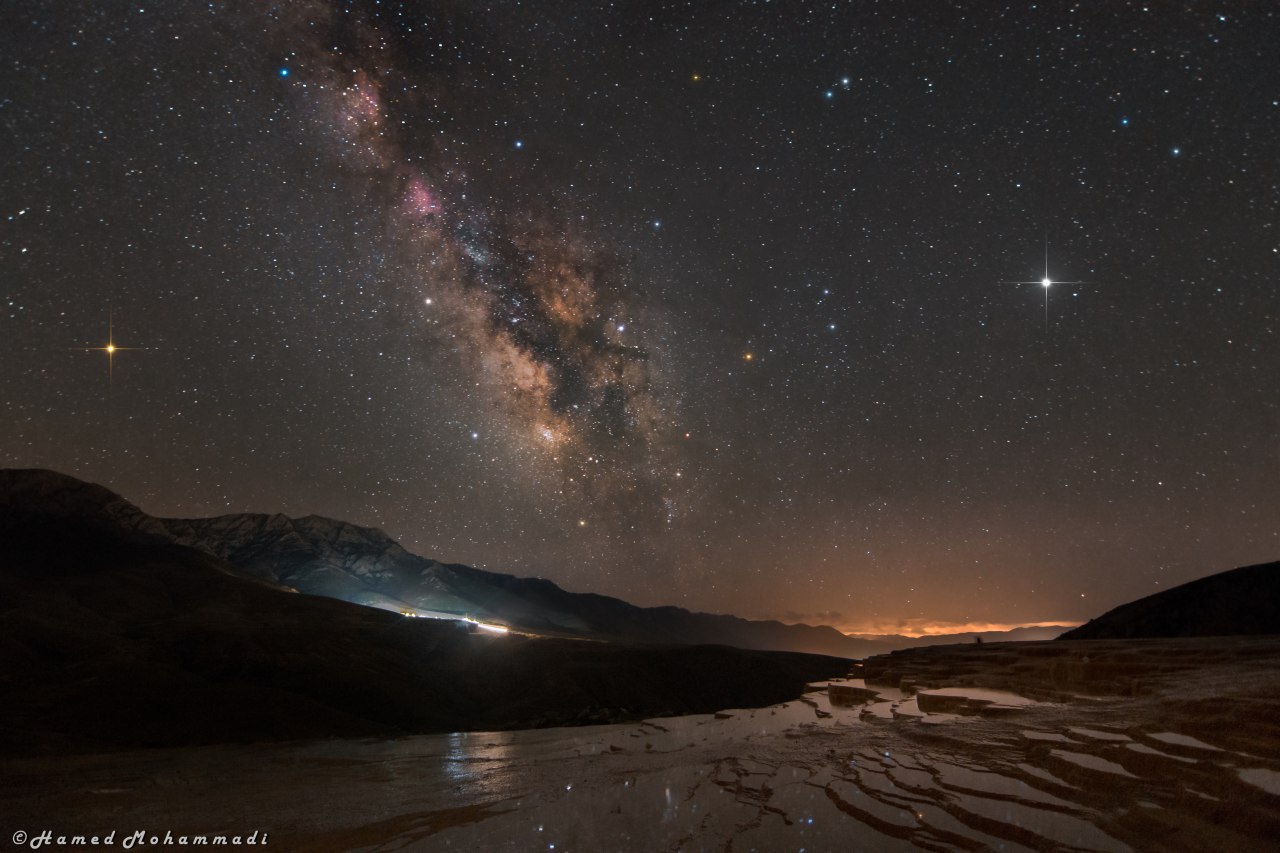
When the sun dips behind Iran’s rugged mountains and endless deserts, the curtain of daylight falls to reveal a stage of cosmic beauty. Iran, blessed with diverse landscapes and vast stretches of dry desert climate, is a hidden paradise for stargazers in the Middle East. On moonless nights, the Milky Way sweeps across the horizon like a glowing river of light, and constellations like Orion, Cassiopeia, and Perseus sparkle with extraordinary clarity. During summer, the Perseid meteor shower offers an awe-inspiring display of shooting stars that leaves travelers speechless.
A Legacy Written in the Stars
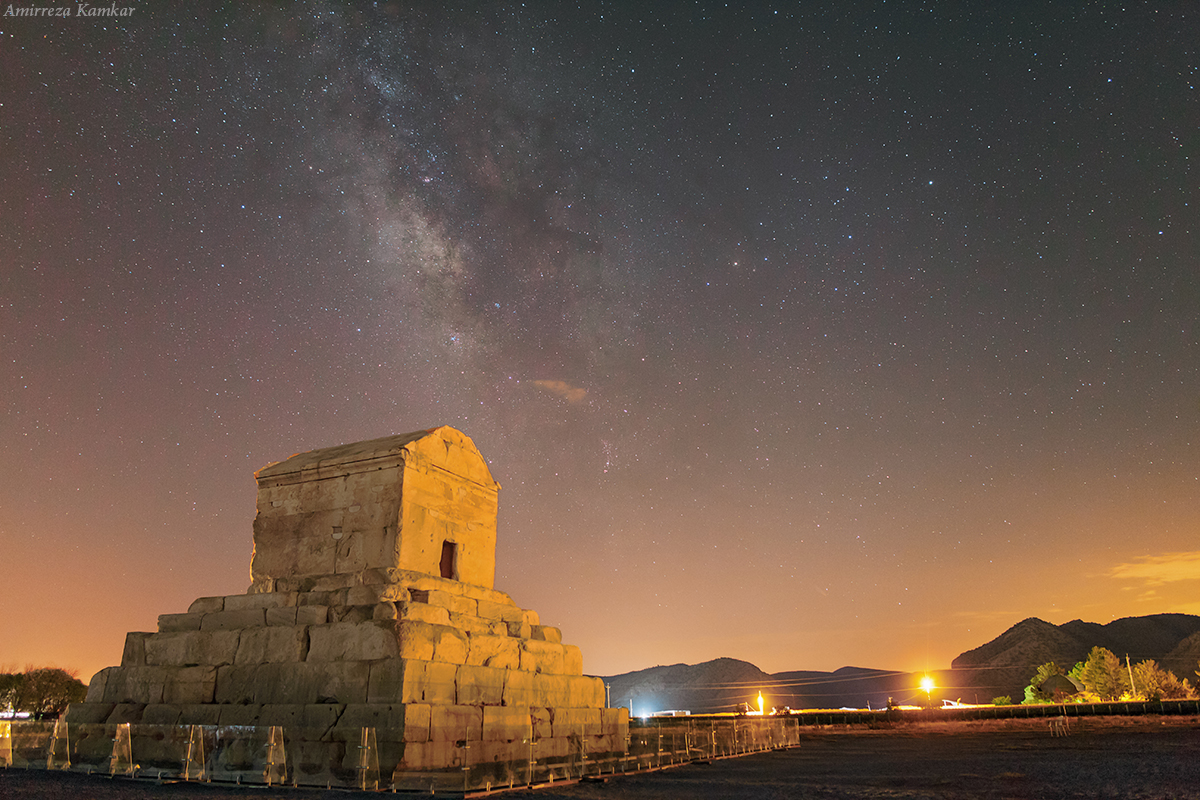
The fascination with the night sky in Iran is not new—it is woven into the very fabric of Persian history and culture. Thousands of years ago, Persian scholars looked to the heavens for guidance, building early observatories and developing calendars based on the cycles of the stars and planets. The renowned 11th-century poet, mathematician, and astronomer Omar Khayyam is one of the brightest examples of this tradition. While the world remembers him for his verses, his astronomical work was equally groundbreaking, reforming the Persian calendar with astonishing precision. Even today, the ruins of ancient observatories and star-shaped motifs in Islamic architecture reflect Iran’s eternal bond with the cosmos.
Best Stargazing Destinations in Iran
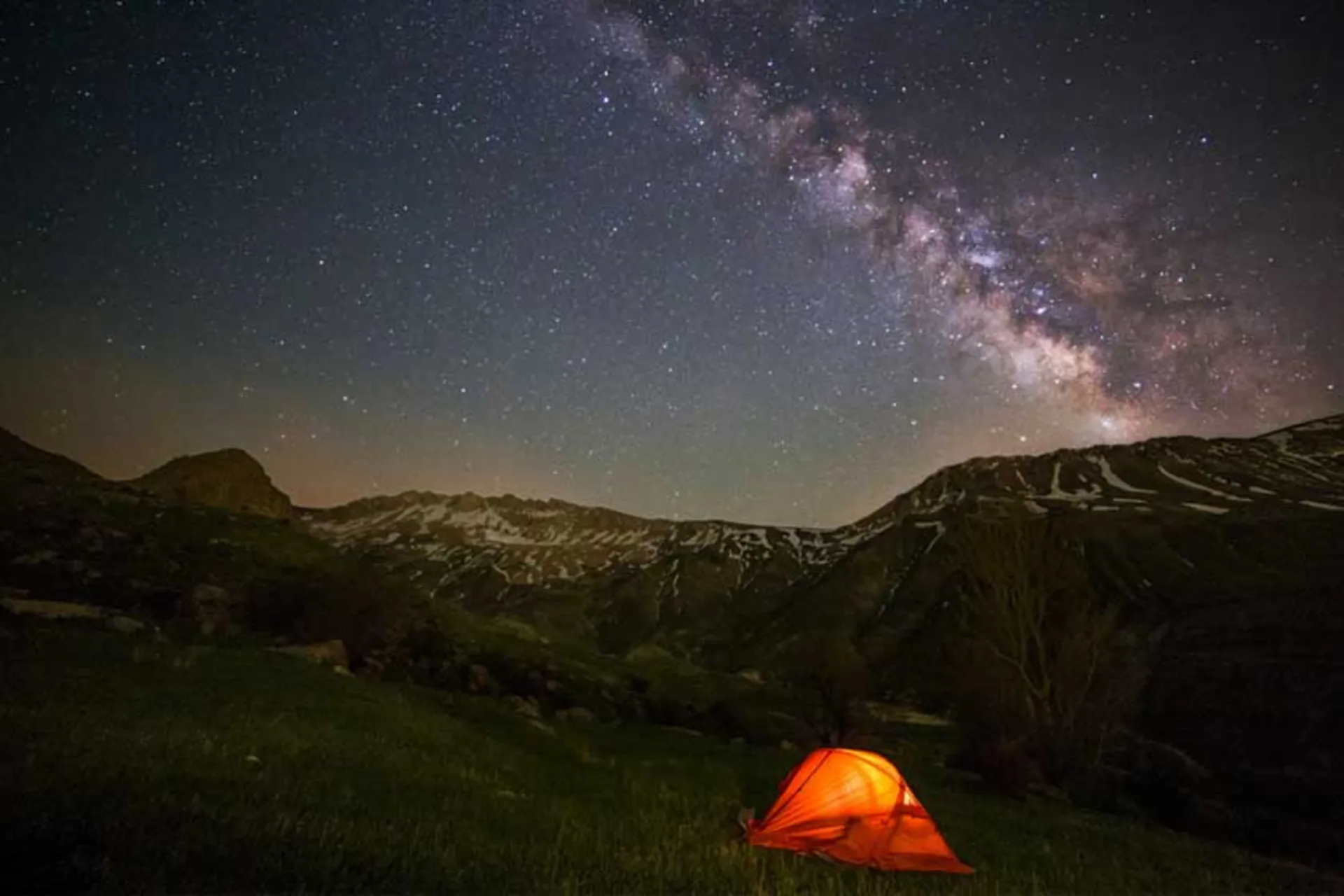
For modern travelers, stargazing in Iran is not only about looking up at the stars but also about exploring unique destinations where nature and history meet:
-
Maranjab Desert (Isfahan Province): Famous for its golden dunes and silence, Maranjab offers one of the clearest skies in Iran, making it a favorite for astronomers and photographers.
-
Varzaneh Desert (near Isfahan): Easily accessible and popular among eco-tourists, Varzaneh combines traditional desert life with breathtaking night skies.
-
Lut Desert (Kerman Province): Known as one of the hottest places on Earth, the Lut Desert also boasts some of the darkest and most pristine skies, perfect for observing the Milky Way.
-
Dasht-e Kavir (Central Iran): This vast desert is ideal for viewing countless stars and the sweeping arc of the galaxy far from any city lights.
-
Mount Damavand Highlands (Alborz Range): At higher altitudes, the air is crisp and thin, offering incredible stargazing opportunities for mountain lovers.
-
Chahartaqi of Niasar (near Kashan): An ancient Zoroastrian structure that once served as a solar observatory, blending history, culture, and astronomy.
An Invitation to the Infinite
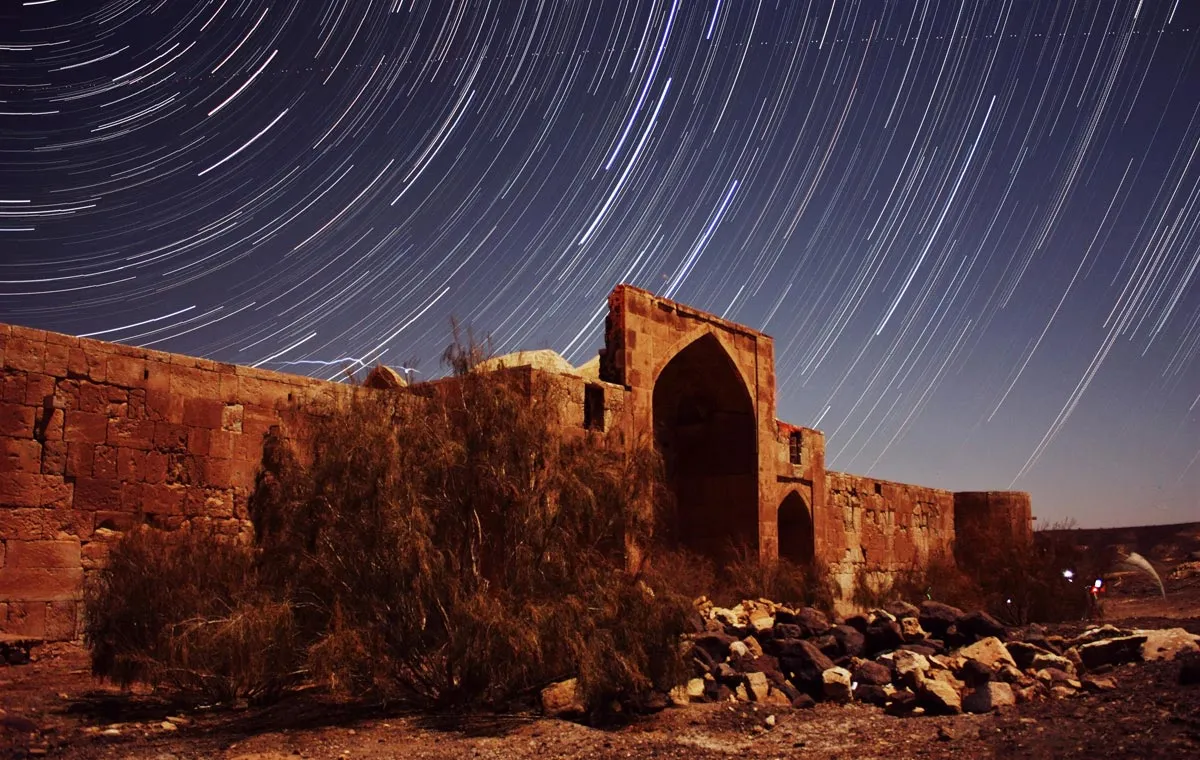
The night sky over Iran is more than a natural wonder—it is a timeless bridge between earth and universe, past and present, science and art. Whether you are an astronomer seeking perfect clarity, a traveler in search of adventure, or a dreamer chasing beauty, Iran’s starry nights will leave you enchanted. We warmly invite visitors from all around the world to journey to Iran, stand beneath its dazzling skies, and experience the magic of the cosmos in one of the most extraordinary landscapes on Earth.